By Alex • Updated Mar 5, 2025 Many of us spend hours in web browsers, filling out forms, extracting data, and creating reports. Much of this work is repetitive and can be automated. In this article we introduce the top seven AI browser automation tools.

Best AI Browser Automation Tools

  1. Axiom
  2. Cheat Layer
  3. Induced
  4. Microsoft Power Automate
  5. UiPath Studio Web
  6. Bardeen
  7. Browse AI

What Makes a Great AI Browser Automation Tool

When selecting an AI browser automation tool, it’s essential to consider the following factors:
  • Ease of Use: The tool should be user-friendly, offering a seamless experience even to those without a technical background.
  • Versatility: It should be able to handle a variety of tasks, making it a one-stop solution for all your automation needs.
  • Compatibility: The tool should support multiple browsers and operating systems, ensuring its utility in diverse technological environments.
  • Efficiency: It should execute tasks swiftly and accurately, upholding a high level of performance.
  • Support and Updates: The tool should come with robust customer support, and regular updates to keep up with the evolving web landscape.
Want to automate your workflows via APIs, rather than a browser UI? Check out our selection of the best AI Workflow Automation tools.

1. Axiom

Axiom is a no-code browser automation tool that functions as a Chrome extension, enabling users to create custom bots for automating repetitive tasks on any website without writing code.

Key Features

  • Visual Bot Builder: Create automation workflows through an intuitive point-and-click interface that requires zero coding knowledge
  • AI Integration: Leverage ChatGPT integration to build intelligent bots that can understand context and make decisions during automation processes
  • Data Extraction: Scrape information from any website by simply selecting elements on the page, with results exportable to Google Sheets
  • Seamless Integrations: Connect with Zapier, Make, and webhooks to trigger automations from external events or incorporate into larger workflows

My Take

The ability to automate complex browser tasks without touching a line of code makes Axiom stand out in a crowded automation market. I found the ChatGPT integration particularly powerful, allowing for more intelligent data processing and decision-making than most competing tools.

2. Cheat Layer

Cheat Layer is an AI-powered automation platform that enables users to create and execute browser-based tasks without coding knowledge.

Key Features

  • Natural language: Creates complex browser automations simply by describing what you want done in conversation-like interactions
  • Action recording: Captures clicks, movements, scrolls, and data entry for seamless replay in your automations
  • Semantic targeting: Ensures automations continue working even when websites update their designs, eliminating maintenance headaches
  • Cloud deployment: Runs scheduled automations either locally via Chrome extension or remotely on their cloud servers for 24/7 operation

My Take

I found Cheat Layer’s conversational approach to creating browser automations incredibly intuitive, cutting setup time in half compared to traditional automation tools. The semantic targeting feature impressed me most as my web scraping workflows kept running flawlessly even after several target websites underwent design changes.

3. Induced

Induced
Induced is an AI platform that automates browser tasks by learning from a single demonstration.

Key Features

  • Visual learning: AI observes and replicates your browser actions after just one demonstration
  • Smart reasoning: Makes real-time decisions based on visual context, handling complex workflows that require judgment
  • Cloud power: Executes tasks remotely with anti-bot protection and parallel processing capabilities
  • Dynamic inputs: Adapts workflows using variables for different scenarios without re-training

My Take

Induced handles complex reasoning tasks that rule-based automation tools simply can’t manage. The visual demonstration approach makes creating intricate browser automations surprisingly straightforward.

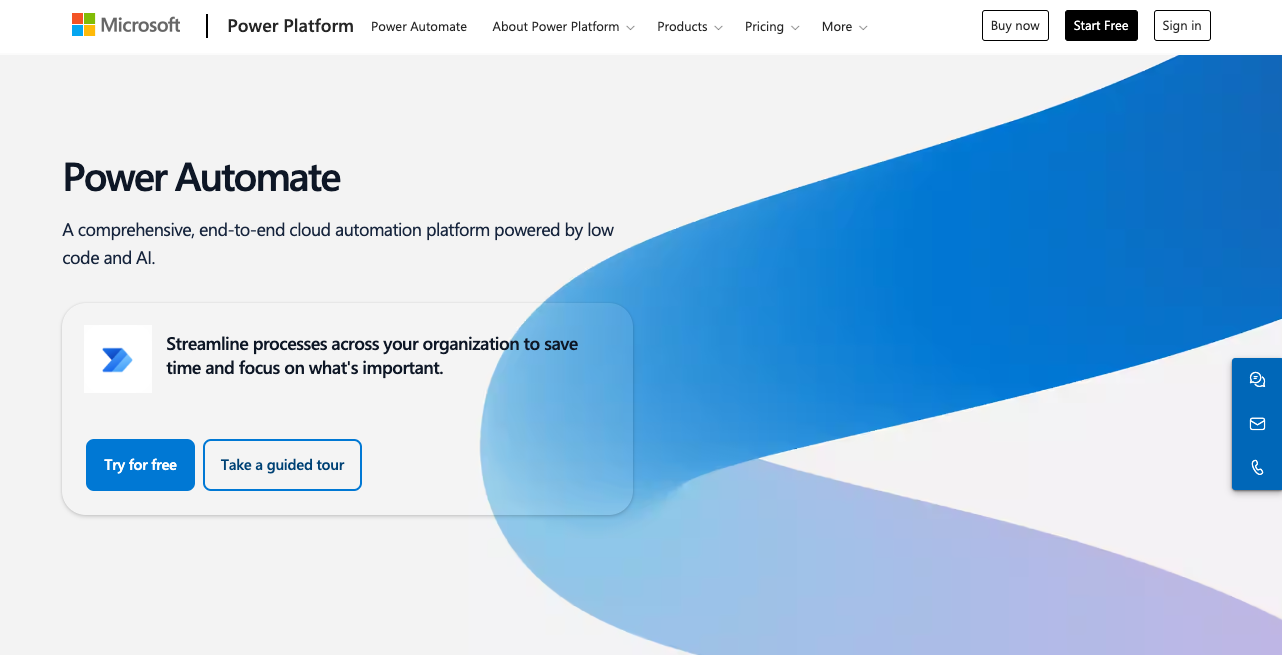
4. Microsoft Power Automate

Microsoft Power Automate
Microsoft Power Automate is a low-code automation platform that enables users to create intelligent browser-based workflows across multiple web browsers with AI-powered capabilities.

Key Features

  • Self-healing AI: Automatically detects and repairs UI elements during web automation when selectors fail, improving reliability and reducing failures
  • Multi-browser support: Works seamlessly with Edge, Chrome, Firefox, and Internet Explorer, letting you automate virtually any web application
  • Natural language automation: Creates browser workflows using plain English commands instead of coding, thanks to Copilot and Power Fx integration
  • Physical interaction options: Offers JavaScript-based automation that runs even with minimized browsers, plus optional physical mouse movements for complex scenarios

My Take

The AI-powered self-healing feature is a game-changer that saved me countless hours troubleshooting broken automations that would normally fail when websites updated their elements. I found the natural language controls particularly impressive, making it possible for anyone to create complex browser automations without diving into the technical details.

5. UiPath Studio Web

UiPath Studio Web
UiPath Studio Web is a browser-based automation platform that allows users to build, test, and deploy web automations without installation requirements.

Key Features

  • No Installation Required: Access and build automations directly in your browser on Windows, Mac, or Linux
  • AI Integration: Leverage built-in Document Understanding and connect with AI models from OpenAI, Microsoft, and Google Cloud
  • Cross-Platform Support: Create and run automations seamlessly across different operating systems and web applications
  • Visual Workflow: Build complex web automations using an intuitive drag-and-drop interface without coding skills

My Take

UiPath Studio Web stands out for its frictionless browser-based experience and powerful AI capabilities that simplify automation of complex web tasks. The ability to test automations instantly and deploy them across multiple platforms makes it exceptionally versatile for teams of varying technical abilities.

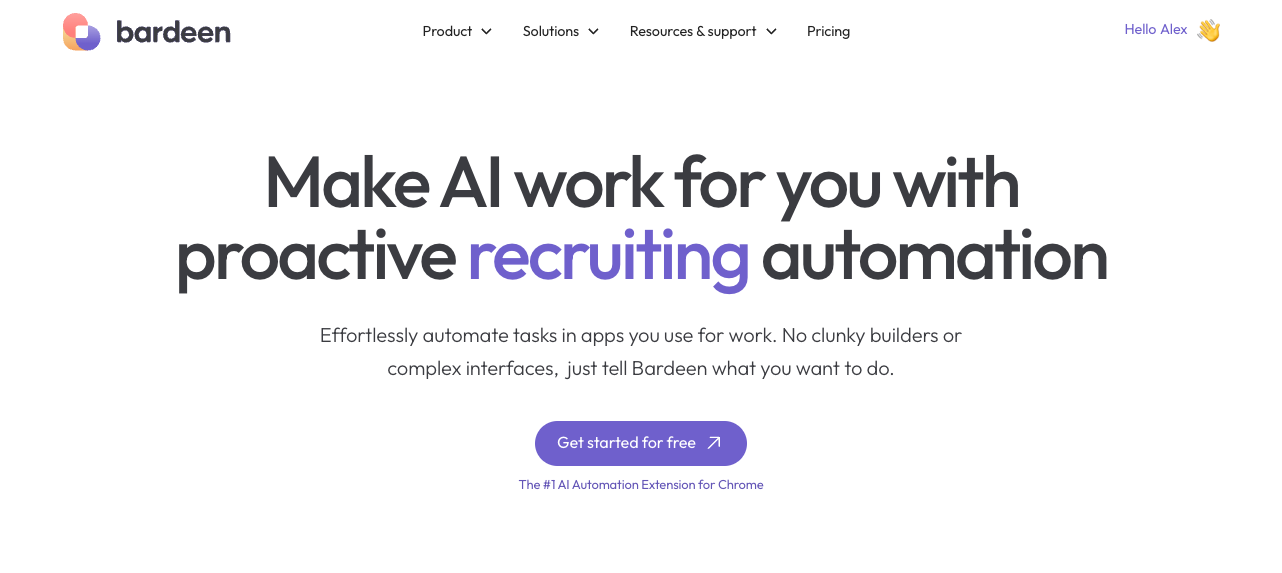
6. Bardeen

Bardeen
Bardeen AI is a no-code automation tool that works as a Chrome extension, allowing users to create AI-powered workflows for automating repetitive web tasks.

Key Features

  • AI Generator: Creates custom automations from plain language instructions, saving hours of setup time
  • Web Scraping: Extracts data from almost any website without coding, even handling dynamic content
  • Right-Click Workflows: Triggers automations directly from your browser context menu for instant execution
  • Background Execution: Runs workflows automatically based on triggers or schedules without active monitoring

My Take

The plain-language automation creation makes complex workflows incredibly accessible compared to other tools I’ve tested. The AI-powered web scraping handles dynamic content exceptionally well, solving a major pain point for data collection tasks.

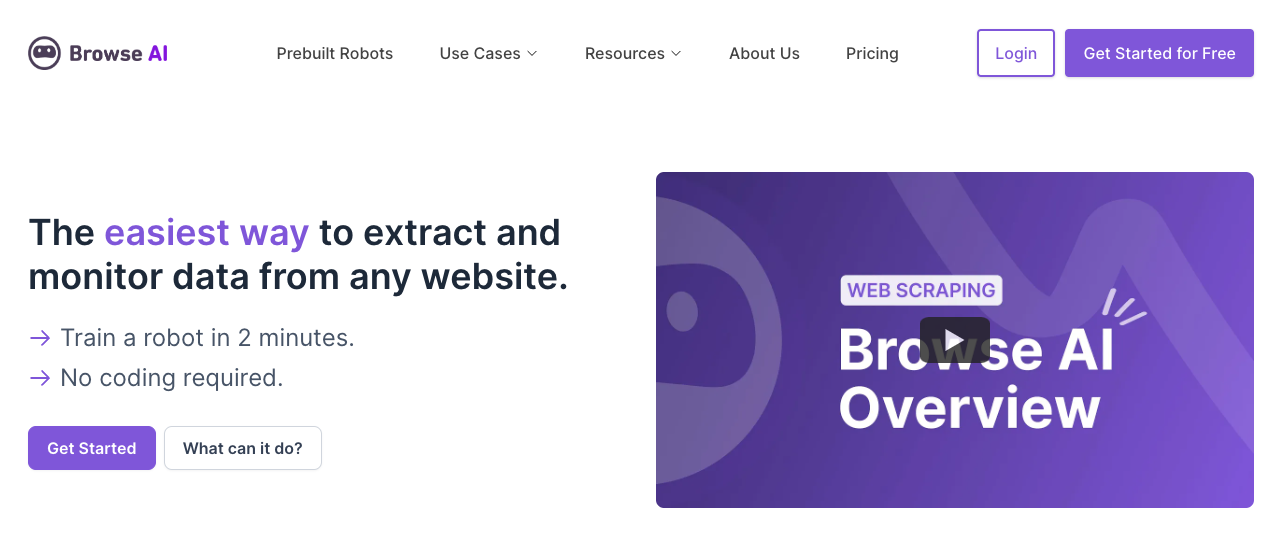
7. Browse AI

Browse AI
Browse AI automates web data extraction and monitoring through customizable, no-code robots.

Key Features

  • Pagination & Scroll Handling: Manages numbered pages, “load more” buttons, and infinite scrolling without manual setup
  • Automatic Layout Adaptation: Adjusts to website design changes, eliminating the need to retrain robots
  • Captcha Resolution: Solves most text-based captchas during data scraping
  • Workflow Chaining: Combines multiple robots to scrape nested data (e.g., product listings + details)

My Take

Its layout adaptation feature saves weeks of maintenance on dynamic sites like e-commerce platforms. While it handles most of my test cases effortlessly, heavily interactive sites with complex JavaScript still trip it up occasionally—stick to alternatives for those edge cases.

Frequently Asked Questions

Browser automation is a process where specific actions within a web browser are automated, such as clicking buttons and filling forms, mimicking the actions that a human would perform.
These tools can save you a substantial amount of time by automating repetitive tasks. They also reduce the likelihood of human error, leading to more accurate results.
Most browser automation tools are designed to work on multiple browsers. However, it’s always a good idea to check the compatibility of a tool with your preferred browser before making a choice.
While some tools might require a basic understanding of coding, many modern browser automation tools have user-friendly interfaces with drag-and-drop features, making them accessible even to non-tech-savvy users.
Reputable browser automation tools prioritize user security. They utilize secure data handling practices and comply with legal regulations to ensure user privacy.